

UNDERSTANDING ISO, APERTURE & SHUTTER SPEED
Photography becomes more creative when you understand how camera settings control light and motion. ISO, aperture, and shutter speed form the foundation of exposure, and learning how they work together helps beginners take full control of their images. Mastering these basics allows photographers to move beyond guesswork and shoot with confidence in different lighting conditions.
THE EXPOSURE TRIANGLE
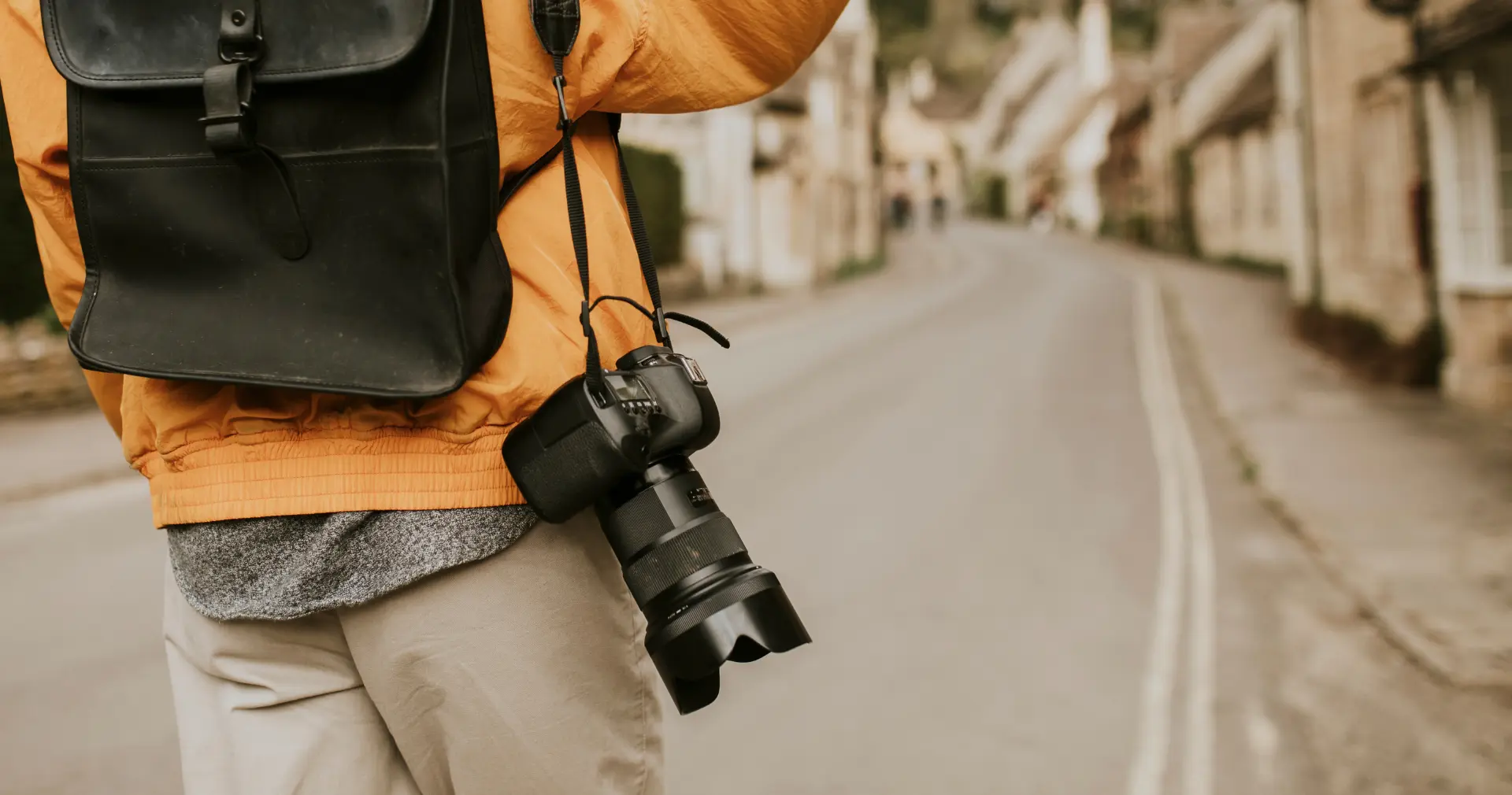
Every properly exposed photograph is created using a balance of ISO, aperture, and shutter speed. These three settings work together to control how much light enters the camera. Changing one setting always affects the others, which is why understanding their relationship is essential for beginners.
Learning the exposure triangle helps photographers make smarter decisions while shooting, rather than relying completely on automatic modes.
WHAT IS ISO?
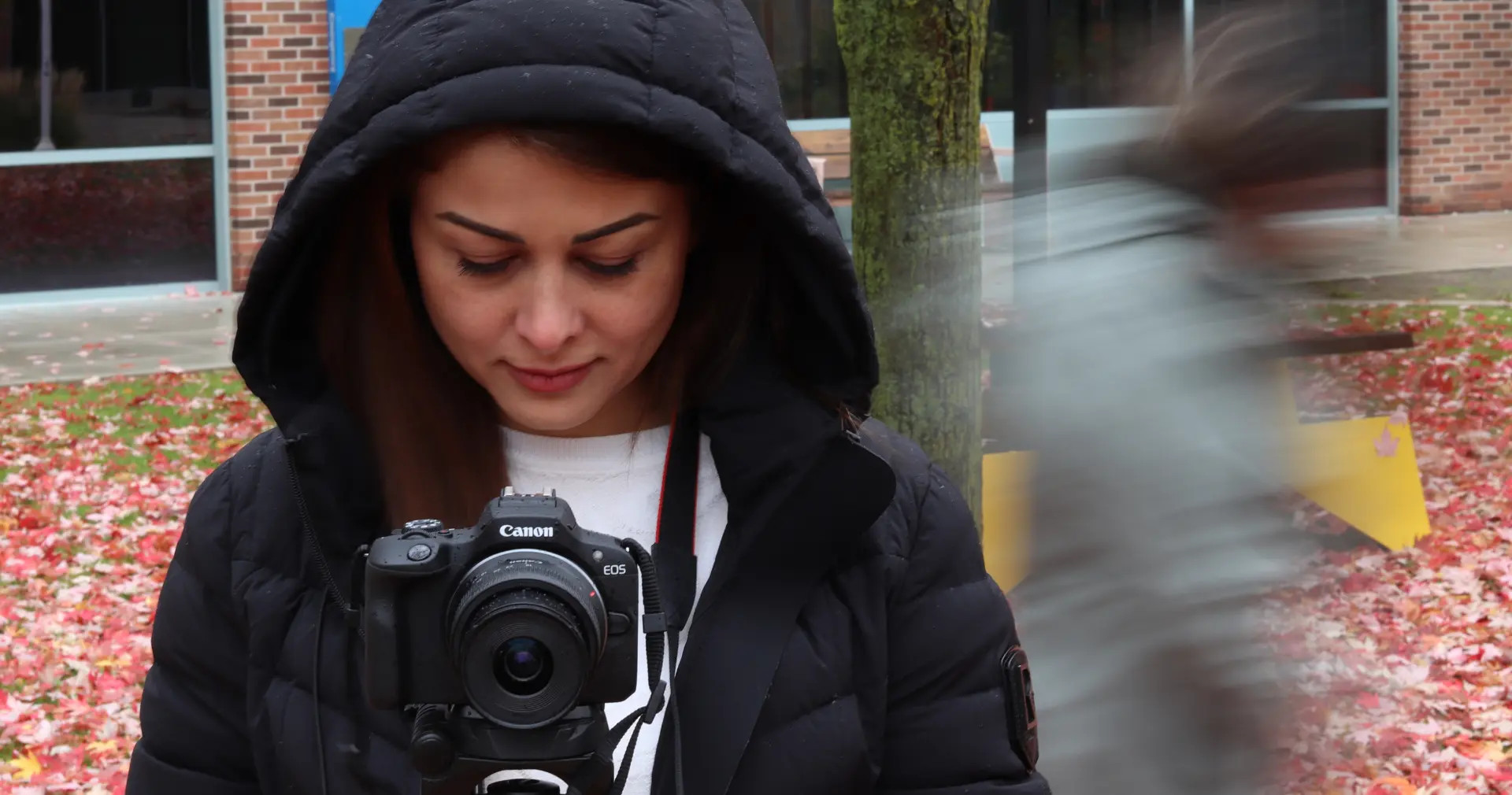
ISO controls how bright or dark an image appears by adjusting the camera’s sensitivity to light. Lower ISO values produce cleaner images, while higher ISO helps in low-light conditions but may introduce noise. Beginners should aim to keep ISO as low as possible for the best image quality.
UNDERSTANDING APERTURE
Aperture controls how much light enters through the lens and affects background blur. A wider aperture creates a shallow depth of field, helping subjects stand out, while a smaller aperture keeps more of the scene in focus. This setting plays a major role in creative photography.
HOW SHUTTER SPEED WORKS
Shutter speed controls how long light reaches the sensor. Faster speeds freeze motion, while slower speeds create motion blur. Understanding shutter speed helps photographers capture sharp action shots or artistic movement with intention.
FINAL THOUGHTS
Understanding ISO, aperture, and shutter speed gives beginners complete control over exposure. When these settings work together, photography becomes more predictable, creative, and enjoyable.